
Chip watches AI labs, developer platforms, infrastructure providers, security desks, and company-tool sources through crawl-ready RSS/Atom feeds.
Models And APIs
The New Stack AI: OpenRouter called itself the “Stripe for LLMs” - now Stripe’s swooped in to buy itThe New Stack AI: "The opening stages of OpenAI's unraveling": OpenAI slows model training - not everyone is buying the explanationTechCrunch AI: Anthropic’s Opus 4.6 is a smut-machineAWS Machine Learning: Reduce RAG costs on Amazon Bedrock with query-aware compressionZapier: What are Gemini Gems? And how to use themThe New Stack AI: OpenRouter called itself the “Stripe for LLMs” - now Stripe’s swooped in to buy itThe New Stack AI: "The opening stages of OpenAI's unraveling": OpenAI slows model training - not everyone is buying the explanationTechCrunch AI: Anthropic’s Opus 4.6 is a smut-machineAWS Machine Learning: Reduce RAG costs on Amazon Bedrock with query-aware compressionZapier: What are Gemini Gems? And how to use them
Models & APIs desk
Model releases, API changes, pricing moves, deployment options, and capability shifts.

AI systems climateCapability shift
Agent reliabilityActive
Company adoptionRising
Developer toolingHot
Model pressureMedium
Security reviewHigh
Vendor controlWatched
Models & APIsStructural ShiftThe New Stack AIAug 20, 2026
OpenRouter called itself the “Stripe for LLMs” - now Stripe’s swooped in to buy it
How Chip reads the feed
Filter the lane and explain what changed.
Stories are kept when they affect tools, agents, models, APIs, infrastructure, security, governance, vendor control, or company workflows.
Each item receives a lane, signal label, company-use note, control question, deployment risk, next move, and readable brief page.
Models & APIssignals
The filtered stories most likely to change tools, workflow ownership, permissions, cost, or operating control.

New Tool SignalThe New Stack AI
"The opening stages of OpenAI's unraveling": OpenAI slows model training - not everyone is buying the explanation
Check whether the model or API gives a measurable advantage for quality, latency, cost, multimodal work, or private deployment.

Structural ShiftTechCrunch AI
Anthropic’s Opus 4.6 is a smut-machine
Check whether the model or API gives a measurable advantage for quality, latency, cost, multimodal work, or private deployment.
Structural ShiftAWS Machine Learning
Reduce RAG costs on Amazon Bedrock with query-aware compression
Check whether the model or API gives a measurable advantage for quality, latency, cost, multimodal work, or private deployment.
Structural ShiftZapier
What are Gemini Gems? And how to use them
Check whether the model or API gives a measurable advantage for quality, latency, cost, multimodal work, or private deployment.

Structural ShiftZapier
How Rozas uses Zapier to give every lead a 2-minute headstart
Check whether the model or API gives a measurable advantage for quality, latency, cost, multimodal work, or private deployment.
New Tool SignalAWS Machine Learning
Introducing cross-Region inference for OpenAI GPT-5.6 models on Amazon Bedrock
Check whether the model or API gives a measurable advantage for quality, latency, cost, multimodal work, or private deployment.

Structural ShiftGoogle AI
Get closer to the game with Gemini and Pixel
Check whether the model or API gives a measurable advantage for quality, latency, cost, multimodal work, or private deployment.

Structural ShiftHugging Face
Multi-Vector (Late Interaction) Embedding Models with Sentence Transformers
Check whether the model or API gives a measurable advantage for quality, latency, cost, multimodal work, or private deployment.

Structural ShiftHugging Face
State of Open Models: Summer 2026 Observations
Check whether the model or API gives a measurable advantage for quality, latency, cost, multimodal work, or private deployment.
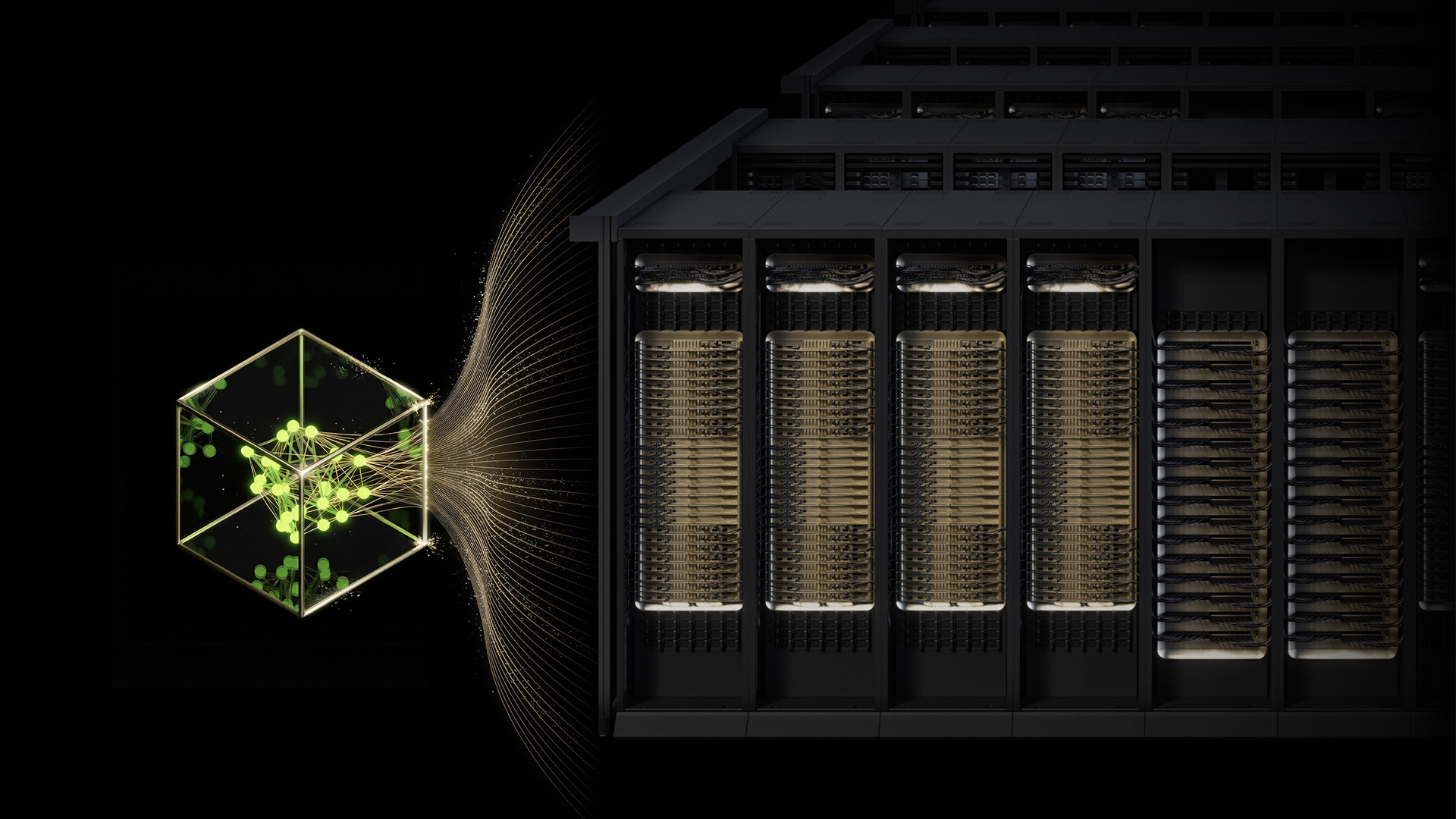
New Tool SignalNVIDIA AI
As AI Grows More Complex, Model Builders Rely on NVIDIA
Check whether the model or API gives a measurable advantage for quality, latency, cost, multimodal work, or private deployment.

New Tool SignalHugging Face
Introducing OlmoEarth embeddings: Custom embedding exports from OlmoEarth Studio for downstream analysis
Check whether the model or API gives a measurable advantage for quality, latency, cost, multimodal work, or private deployment.

Structural ShiftTechCrunch AI
Frontier AI labs still won't say how they'd contain a rogue model
Check whether the model or API gives a measurable advantage for quality, latency, cost, multimodal work, or private deployment.
Category lane
One lane. Supporting angles.
The category page keeps the same operating-desk structure while narrowing the crawl to one decision lane.
Models & APIs
OpenRouter called itself the “Stripe for LLMs” - now Stripe’s swooped in to buy itThe New Stack AI · Aug 20, 2026"The opening stages of OpenAI's unraveling": OpenAI slows model training - not everyone is buying the explanationThe New Stack AI · Aug 19, 2026Anthropic’s Opus 4.6 is a smut-machineTechCrunch AI · Aug 21, 2026Reduce RAG costs on Amazon Bedrock with query-aware compressionAWS Machine Learning · Aug 21, 2026Latest Models & APIs
Newest matching crawl items after the category lead and structural rail, still written as operating notes rather than hype headlines.

The DecoderStructural ShiftModels And APIs
World models that ignore human beliefs predict the wrong actions, new research shows
Current world models like Sora or Genie only simulate physics and ignore what people think, want, or feel. The new "Mental World Modeling" framework adds mental variables like beliefs and intentions. Even... Why it matters: Check whether the model or API gives a measurable advantage for quality, latency, cost, multimodal work, or private deployment. Next move: Test it against one real workflow, document the permission boundary, compare export paths, and keep the decision tied to business evidence.

The DecoderStructural ShiftModels And APIs
Netflix tests language model as alternative to hand-built recommendation logic
Netflix pitted its years-old recommendation engine against an in-house language model called GenRec and says it got better results. Instead of relying on thousands of hand-crafted features, GenRec converts... Why it matters: Check whether the model or API gives a measurable advantage for quality, latency, cost, multimodal work, or private deployment. Next move: Test it against one real workflow, document the permission boundary, compare export paths, and keep the decision tied to business evidence.
TechCrunch AIModel or API
TechCrunch AIStructural ShiftModels And APIs
The DOJ is investigating a16z. What does this mean for venture capital?
Andreessen Horowitz has two partners sitting on the boards of companies that now compete with each other: Ben Horowitz at Databricks and Martin Casado at Fivetran. Nothing too scandalous on the surface, except... Why it matters: Check whether the model or API gives a measurable advantage for quality, latency, cost, multimodal work, or private deployment. Next move: Test it against one real workflow, document the permission boundary, compare export paths, and keep the decision tied to business evidence.

Hugging FaceMarket SignalModels And APIs
Up to 3.2x Faster Inference with LFM2.5-DSpark
This matters if model capability, API shape, pricing, or deployment options change what teams can build or control. Why it matters: Check whether the model or API gives a measurable advantage for quality, latency, cost, multimodal work, or private deployment. Next move: Test it against one real workflow, document the permission boundary, compare export paths, and keep the decision tied to business evidence.

TechCrunch AIStructural ShiftModels And APIs
AI data startup Micro1 reaches $500M gross run rate amid AI training boom
Surging demand for AI training data is driving rapid growth for the startup and its rivals. Why it matters: Check whether the model or API gives a measurable advantage for quality, latency, cost, multimodal work, or private deployment. Next move: Test it against one real workflow, document the permission boundary, compare export paths, and keep the decision tied to business evidence.
Google AIStructural ShiftModels And APIs
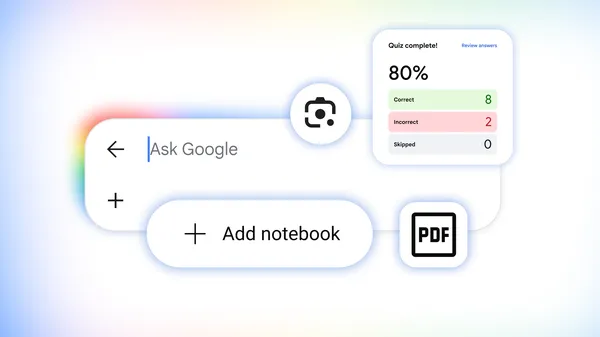
5 new ways to level up your learning with Search
Here’s how you can use Google Search tools to study for classes and standardized tests. Why it matters: Check whether the model or API gives a measurable advantage for quality, latency, cost, multimodal work, or private deployment. Next move: Test it against one real workflow, document the permission boundary, compare export paths, and keep the decision tied to business evidence.
OpenAIModel or API
OpenAIStructural ShiftModels And APIs
ChatGPT Ads expands across Europe
ChatGPT Ads is expanding to 31 European markets. Learn how advertisers can reach people as they explore, compare options, and make decisions. Why it matters: Check whether the model or API gives a measurable advantage for quality, latency, cost, multimodal work, or private deployment. Next move: Test it against one real workflow, document the permission boundary, compare export paths, and keep the decision tied to business evidence.
OpenAIModel or API
OpenAIStructural ShiftModels And APIs
Partnering with CodeAI to prepare the first AI generation
OpenAI and CodeAI are partnering to help students build AI literacy, think critically about AI, and develop the skills to use and shape it responsibly. Why it matters: Check whether the model or API gives a measurable advantage for quality, latency, cost, multimodal work, or private deployment. Next move: Test it against one real workflow, document the permission boundary, compare export paths, and keep the decision tied to business evidence.
Chip notes
ChipOS News Is an AI Systems DeskDesk comments and build notes.
The desk tracks AI tools, company applications, agent workflows, models, infrastructure, and vendor risk through the question of operational control.
Agentic Software Needs an Owner, Not Just a PromptAgents become operational only when permissions, memory, review, and deployment boundaries are clear.
Self-Hosting Is a Control Decision Before It Is a Server DecisionFor self-hosted AI systems, the server choice defines where memory, logs, credentials, evidence, and recovery paths actually live.
Coverage lanes
What Chip watches.
Model releases, API changes, pricing moves, deployment options, and capability shifts.
Models And APIs
Model releases, API changes, pricing moves, multimodal capability, inference options, embeddings, reasoning models, and private deployment paths.
Connected reading
ChipOS: Why audit trails need an owned evidence layerFollow this lane into doctrine and applied work.
ChipOS: Use the internal operating argument when this lane starts affecting secrets, approvals, traceability, policy, or recovery paths.
Age for AI: Policy and governance briefingsAge for AI: Broader context for when vendor pressure, model access, or security movement starts changing compliance and cross-border operating choices.
Green Circular Economy: CBAM supplier data requestsGreen Circular Economy: Applied proof-heavy workflow reading for teams that need evidence, supplier files, and reviewable public claims instead of generic compliance language.