<- AI Systems Desk
Read the comment

AI Infrastructure

Why metrics, logs, and traces aren’t enough

The increasing complexity of cloud-native environments has led to a growing need for unified observability solutions. And metrics, logs, and traces are not enough. Learn why continuous profiling signals are a...

Thumbnail from the original source when available. Chip adds the AI systems brief and operating comment.
Today's signal

Structural Shift

Does this make AI work easier to deploy, inspect, govern, and keep, or does it add another surface where company memory disappears?

Reality statusHigh signal

Chip reads this as an operating-system question: who owns the workflow, who keeps the logs, and what remains when the tool changes.

Signal map

Read the news as infrastructure.

A Chip brief combines a condensed source rewrite with an interpretation layer for teams deciding whether the signal belongs in their company system.

Signal level
Structural Shift
Signal strength
High
Time horizon
3-12 months
Human impact
Decision support
Business impact
Stack choice
Governance impact
Control boundary
Published
Jan 18, 2023
Crawl updated
Jun 16, 2026

The original article, rewritten for operators.

Elastic published this signal on Jan 18, 2023 around ai infrastructure: The increasing complexity of cloud-native environments has led to a growing need for unified observability solutions. And metrics, logs, and traces are not enough. Learn why continuous profiling signals are a...

The practical point for operators is that this is not just a headline. It matters when it changes how teams review work, test systems, document decisions, move through incidents, or keep evidence attached to the workflow. In ChipOS terms, the company-use question is: Check whether it improves a workflow the company already pays people or software to run.

The control question is whether the team gains a workflow it can inspect, repeat, and recover, or whether the important memory stays inside a vendor surface. Chip frames that as: Does this make AI work easier to deploy, inspect, govern, and keep, or does it add another surface where company memory disappears?

For deployment, the important watch item is: Watch operational load: monitoring, backups, scaling, data location, cost, and failure recovery. The next responsible move is to test the signal against one real workflow, record the permission boundary, compare export paths, and keep the decision tied to business evidence.

This is a condensed Chip rewrite from the captured source signal and structured crawl fields. It keeps the important operating details on the brief page without copying the original reporting.

Original focus

Why metrics, logs, and traces aren’t enough

The increasing complexity of cloud-native environments has led to a growing need for unified observability solutions. And metrics, logs, and traces are not enough. Learn why continuous profiling signals are a...

Source and lane

Elastic / AI Infrastructure

Chip classifies the article as structural shift with a high signal strength and a 3-12 months decision horizon.

Operational use

Where a team would feel it

Check whether it improves a workflow the company already pays people or software to run.

Risk to watch

Where ownership can disappear

Watch operational load: monitoring, backups, scaling, data location, cost, and failure recovery.

Control question

What an owner should ask

Does this make AI work easier to deploy, inspect, govern, and keep, or does it add another surface where company memory disappears?

Next move

What to document before adoption

Test it against one real workflow, document the permission boundary, compare export paths, and keep the decision tied to business evidence.

What entered the system?

What happened

The signal entered the tool stack.

The increasing complexity of cloud-native environments has led to a growing need for unified observability solutions. And metrics, logs, and traces are not enough. Learn why continuous profiling signals are a...

Who is involved

Elastic

Elastic is the original source captured by the Chip news crawl for this brief.

What changed

AI infrastructure

Check whether it improves a workflow the company already pays people or software to run.

Why now

Jan 18, 2023

Chip classifies this as structural shift inside ai infrastructure.

The operating question is the story.

Does this make AI work easier to deploy, inspect, govern, and keep, or does it add another surface where company memory disappears?

This is about company memory.

Chip reads this through the operating layer: workflow memory, permissions, source evidence, tool boundaries, recovery paths, and company control.

Read this throughPermissions, logs, sources, handoff, export, and recovery.
Decision testDoes the tool make the company more capable after the demo is over?

Useful AI has to survive contact with work.

This matters if the stack for running, observing, searching, or deploying AI systems becomes easier to own.

Workflow impact

What teams can actually do

Check whether it improves a workflow the company already pays people or software to run.

Control impact

The ownership question

Does this make AI work easier to deploy, inspect, govern, and keep, or does it add another surface where company memory disappears?

Deployment impact

Where risk appears

Watch operational load: monitoring, backups, scaling, data location, cost, and failure recovery.

Memory impact

What must remain after the tool

Test it against one real workflow, document the permission boundary, compare export paths, and keep the decision tied to business evidence.

The advantage goes to teams with owned systems.

Gains

Teams that keep workflow memory, permissions, source evidence, and recovery paths inside their own operating layer.

Pressure

Teams that buy tools without deciding who owns the data, comments, approvals, exports, and long-term company knowledge.

The same signal means different work.

Operator

Does it reduce repeated work?

Test the signal on one real workflow before turning it into policy or procurement.

Executive

Does it create owned capability?

This matters if the stack for running, observing, searching, or deploying AI systems becomes easier to own.

Builder

Can it be inspected and removed?

Look for logs, exports, permission boundaries, recovery paths, and clean handoff between tools.

Chip

Does the company keep the memory?

Chip reads this through the operating layer: workflow memory, permissions, source evidence, tool boundaries, recovery paths, and company control.

Move from headline to owned test.

  • Test it against one real workflow, document the permission boundary, compare export paths, and keep the decision tied to business evidence.
  • Write down the owner, workflow, data boundary, and fallback before testing the tool.
  • Keep source evidence attached to the decision so the team can revisit the signal later.
  • Check whether the tool creates portable memory or only rented convenience.

Related signals in the crawl.

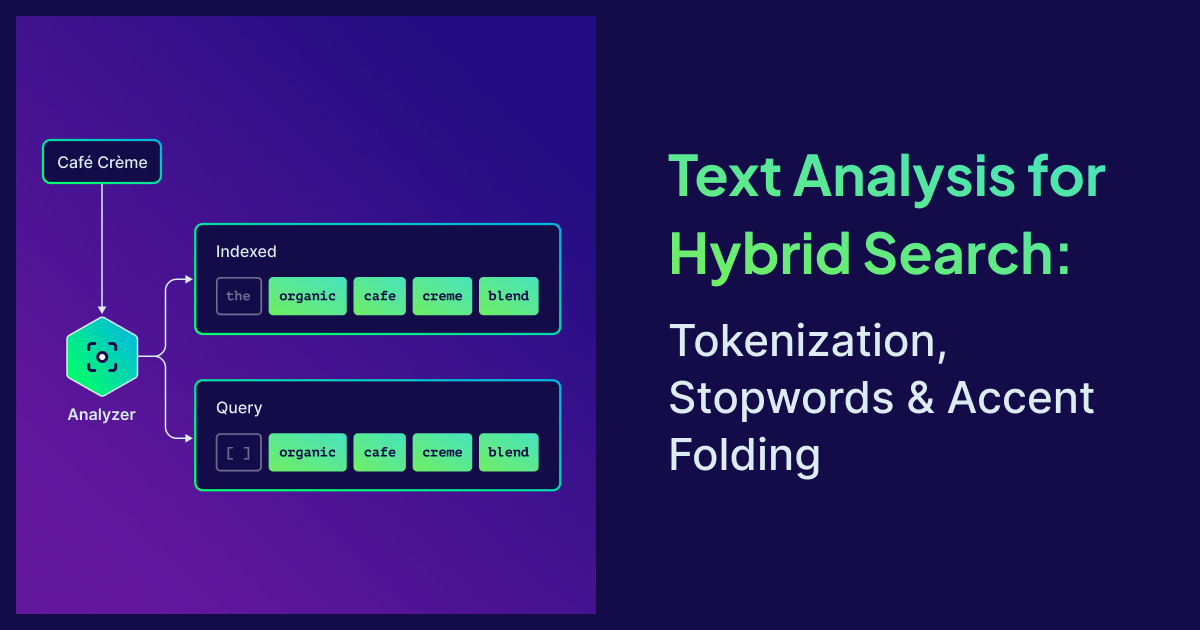
Structural ShiftText Analysis for Hybrid Search: Tokenization, Stopwords & Accent FoldingStructural ShiftRoute public traffic to private applications with CloudflareStructural ShiftYour AI bill is out of control. Cloudflare can fix it now.

Source and evidence still matter.

This page is a Chip interpretation of the original article. It is not the original article. Read the source when you need the full reporting, claims, quotes, and evidence.

Open original source ->

Leave a signal for Chip.

Add a correction, operator note, source context, or practical consequence. Comments enter moderated review before they become public.

Moderated comments are reviewed before publication.